
Wood floors often make the house look warmer, elegant and comfortable. However, beyond the aesthetic display, the wooden floor is also an area vulnerable to termite attacks. Many of the new homeowners realized this problem when the surface of the floor began to bubble, felt uneven, came up a blank sound when it was trampled, or there was a part that was getting vulnerable.
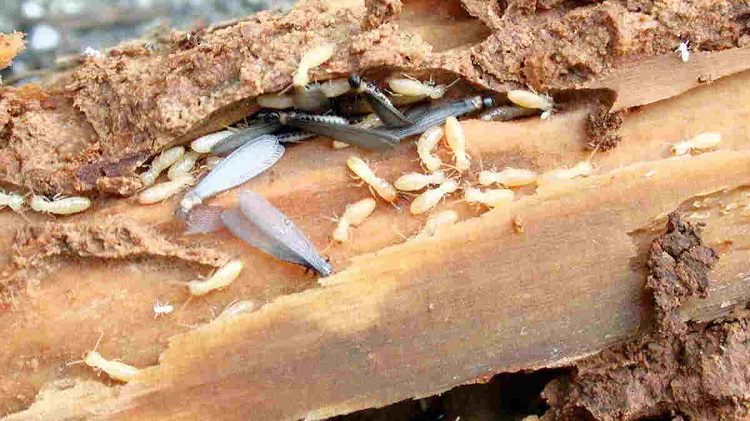
Termites can attack floors of wood from beneath the surface. They're moving through a floor crack, a dank area, or a hidden passage from the ground into a wooden material. Due to his immediate activity, damage is often only known after the condition of the floor is severe.
Why would a wooden floor be attacked by termites?
The wood floor contains cellulose, which is the main source of food for termites. Not only solid wood, some hardwood materials can still attract termites, especially if installed in a muddy area or near a water source.
Termites usually enter from under the building, then move towards the floor that has a small gap. If the lower floors and lack of ventilation, the termites can last longer and start destroying the material from the inside.
The wood floor signs are starting to become termites.
One of the signs that often appear is that the floor feels like a clutch when trampled. Besides, the floor surface can be seen bubbling, changing colors, starting to crack, or feeling more vulnerable than any other area.
Another sign that needs to be noticed is the emergence of smooth dust across the floor or a small dirt line near the wall. If these signs appear, it's best not to just consider it a matter of the age of material or ordinary moisture.
Do not immediately Unchecked
When the wood floors break down, some people just change the part that looks troubled. In fact, if the main cause is termites, material replacement is not necessarily solving problems.
Termites can remain active under floors, walls, or areas around the room. If the source of the termites is not handled, the new floor remains at risk of being re-attacked. Therefore, a thorough examination needs to be done before the big improvement.
Home Area Required
If the wooden floors start showing signs of damage, check for other adjacent areas. Like a door frame, a closet, a wood rack, a kitchen set, downstairs, and a wall that's close to a park or a bathroom.
Termites rarely strike one point. They can spread from below floors to wooden furniture or otherwise. That's why the small marks on the floor shouldn't be ignored.
How to Reduce Termite Risk on the Wood Floor
The first step is keeping the moisture home. Make sure there's no leaky pipes, no watery walls, or water pouring around the floor. The room also needs to have a good air circulation so it's not too humid.
Avoid stacking boxes, newspapers, or wooden stuff directly on the floor for a long time. The goods can attract termites and make the area around the floor more vulnerable.
If the wooden floors start to bubble, clutch, or appear termite marks, the homeowner can consider service yogyakarta termite service So that the source of the problem is examined and handled thoroughly.
Conclusion
The wood floors that bubble, clutch, or brittle can be a sign of termite activity from below the surface. Because termites often move through hidden lanes, the damage to the floor should not be taken lightly.
By keeping the house dry, checking the cartilage, and handling the early signs of termites early on, the risk of damage to the wooden floor can be reduced before it spreads to other parts of the house.