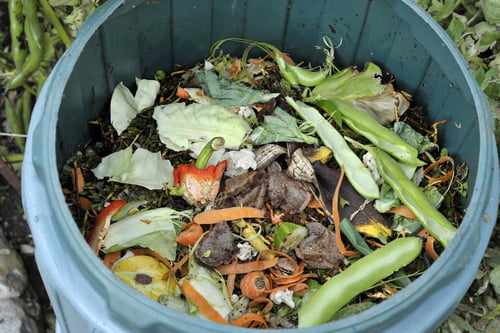

Compos is the gold of farmers and plants lovers. The organic material that has experienced this process of decay is rich in nutrients that the plants desperately need to grow. Making your own compost not only saves spending, but also reduces the amount of organic waste that ends up in the final dump.
Required ingredients:
- Organic garbage: leftover foods, vegetables, dried leaves, lawns, and used paper covered in plastic or ink.
- Earth: could use a garden or a pot land.
- Water: to keep the moisture compost.
- Optional Activator: EM4 or bokashi can accelerate decomposition.
Step-step Make Compos:
- Prepare containers: Use a container that blows holes in the bottom to allow air to enter and help the decay process. The common vessel is used by used drums or wooden boxes.
- The amount of organic material: Cut organic material into smaller parts so the process of decay is faster.
- Base container layer: Sprinkle thin soil as a base layer.
- Create layers: The layers of organic and soil are interchangeable. Every layer of organic material, flush a little water.
- Add (optional) activation: If you use the activation, dissolve it according to the packaging instructions and flush it into the compost pile.
- Close container: Close the container with a meeting to keep the temperature and tensile.
- Reroute periodically: Every few days, stir up a pile of compost to make sure all the compounds are blended up and get enough oxygen.
- Wait: Compos decay process takes approximately 2-4 weeks. During this process, the temperature inside the container will increase.
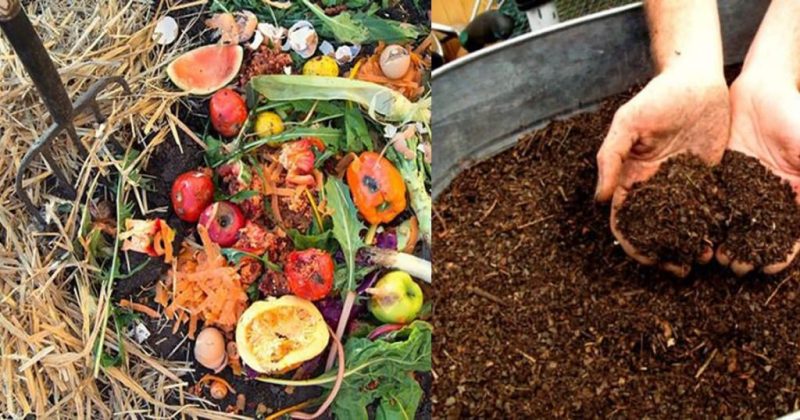
- Compos readiness check: The compost is ready to be used when it comes to dark tanned, scented soil, and no more organic material to be seen.
Tip Creating Good Compos:
- The comparison: Make the comparison between green matter (dampp, nitrogen-rich) like left-over food with chocolate (dry, rich carbon) like dry leaves are 2: 1.
- Humidity: Keep the compost pile wet, but not too wet.
- Temperature: The ideal temperature for decomposition is about 50-60 degrees Celsius.
- Air: Make sure the compost pile gets enough air by stirring periodically.
Quality Using Compos:
- Increase land quality: Compos make land more fertile, pulsating, and rich in nutrients.
- Increase plant growth: Plants given compost fertilizer will grow healthier and bear fruit.
- Environmental hospitality: Making compost helps reduce the amount of organic waste and reduce the use of chemical fertilizer.
By making your own compost, you've contributed to maintaining the environment and producing quality plants. Good luck!